
There’s a familiar scene playing out in many homes. One person is freezing while someone else is sweating. The thermostat suddenly becomes the center of an ongoing debate. Blankets appear. Temperatures mysteriously change when no one is watching. If you’ve experienced this, you’re definitely not alone.
The truth is, traditional HVAC systems treat the entire house like a single space. One thermostat controls everything, even though every room is used differently. Bedrooms, home offices, bonus rooms, and sunrooms all have their own needs.
That’s where ductless mini splits come in. They give homeowners more control over comfort, quietly changing the way people think about heating and cooling.
How Do Ductless Mini Splits Provide Zoned Comfort Control in a Home?
The magic of ductless mini splits lies in one word: zones.
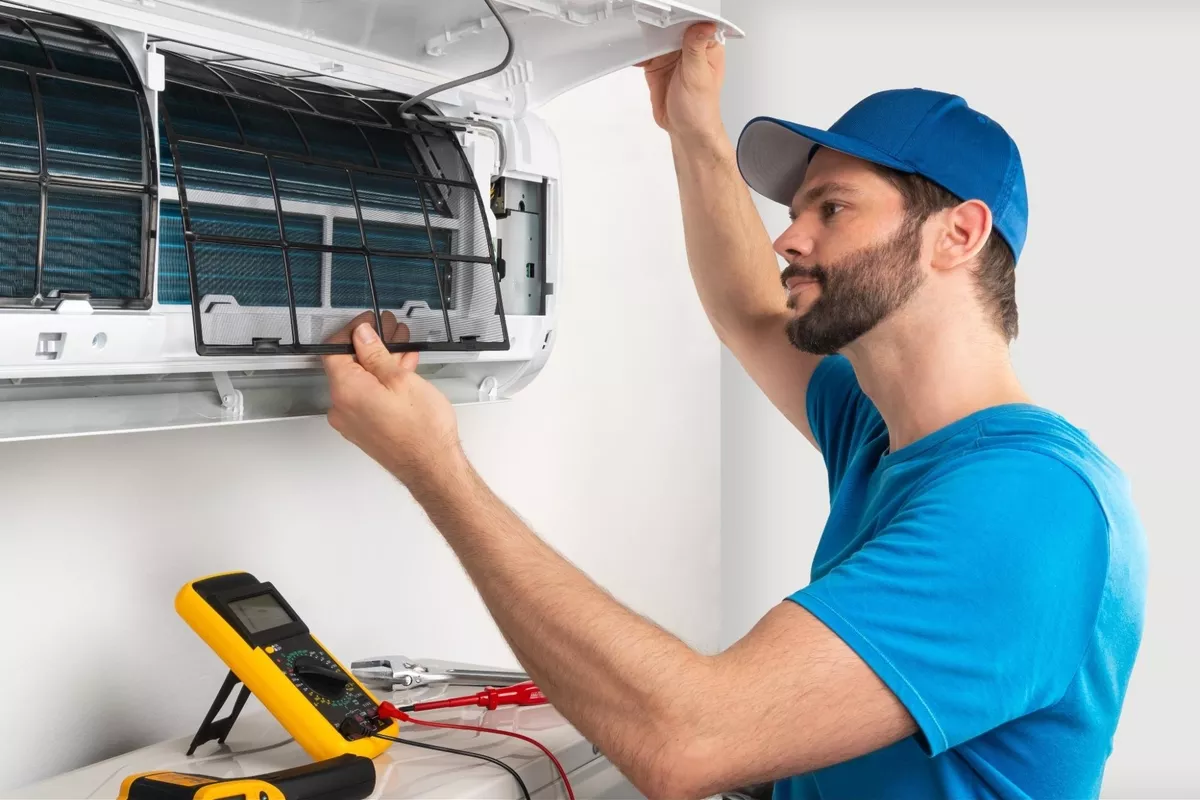
Unlike traditional central HVAC systems that push conditioned air through a network of ducts from one central unit, ductless mini splits use individual indoor air handlers connected to an outdoor compressor.
Each indoor unit serves a specific room or area.
That means:
The bedroom can be cooler.
The living room can stay neutral.
The home office can be slightly warmer.
The guest room doesn’t have to be conditioned at all if no one’s using it.
Every zone has its own remote or thermostat control.
Instead of fighting over one central dial, you’re adjusting comfort where it actually matters.
Here’s how the system works in simple terms:
A compact outdoor unit handles the heat exchange.
Refrigerant lines connect it to indoor air handlers.
Each indoor unit blows conditioned air directly into its room.
No ductwork required.
This design eliminates one of the biggest inefficiencies in older homes: air loss through duct systems.
In many houses, duct leakage can account for significant energy waste. With mini splits, air goes straight from the unit into the room.
It’s targeted. Direct. Intentional.
And that’s what makes zoned comfort possible.
Are Ductless Mini Splits More Energy Efficient Than Traditional HVAC Systems?
Short answer? Often, yes.
But let’s unpack that properly.
Traditional systems heat or cool the entire home every time they turn on. Even rooms that aren’t being used get conditioned.
With ductless mini splits, you can turn off zones you don’t need.
That alone can reduce energy usage.
There are a few key reasons mini splits tend to be more efficient:
- No Duct Loss
In central systems, ducts run through attics, crawlspaces, and walls. Those areas can be extremely hot or cold, which causes energy loss.
Mini splits eliminate ductwork entirely.
No ducts = no duct leakage.
- Inverter Technology
Many ductless systems use inverter-driven compressors. Instead of turning fully on and fully off, they adjust output gradually.
That means:
Fewer energy spikes
More consistent temperatures
Less wear and tear
Quieter operation
It’s like cruising at a steady speed instead of constantly slamming the gas pedal.
- Zone-Specific Operation
Why cool an empty guest room all day?
With mini splits, you can:
Run one unit in the office during work hours
Shut down bedrooms during the day
Adjust temperatures based on occupancy
That flexibility translates into smarter energy use.
Now, does this mean mini splits are always cheaper to operate than traditional HVAC?
Not automatically.
Home size, insulation, and usage habits all play a role. But in many multi-room homes, especially where rooms are used inconsistently, mini splits offer a noticeable efficiency advantage. If you want a broader look at system performance and comfort planning, the Elite Air & Heat LLC blog covers related HVAC topics in more detail.
What are the Benefits of Installing Ductless Mini Splits in Multi-Room Homes?
Multi-room homes present a unique challenge.
Some rooms get afternoon sun. Others stay shaded. Upstairs rooms trap heat. Basements stay cool. Add different personal preferences into the mix and things get complicated quickly.
Ductless mini splits shine in these environments.
Here’s why homeowners with larger or segmented homes often love them:
Personalized Comfort
Every person can control their own space.
No more compromising on temperature just to keep peace in the household.
Ideal for Additions and Renovations
If you’ve added:
A sunroom
A garage apartment
A finished basement
A bonus room over the garage
Extending ductwork can be expensive and disruptive.
Mini splits offer a cleaner solution. They require only a small wall penetration for refrigerant lines. For homeowners comparing options, ductless AC services can be a practical alternative to expanding traditional systems.
Improved Air Quality
Many mini split systems include advanced filtration.
They help reduce dust, allergens, pet dander, and indoor pollutants. Because air isn’t traveling through ducts, there’s less accumulation of debris. In homes where indoor comfort also depends on cleaner air, air quality services can play an important supporting role.
Quiet Operation
Mini splits are known for being extremely quiet.
That makes them ideal for bedrooms, nurseries, home offices, and study areas.
You don’t get that loud “kick on” sound typical of older systems.
Space-Saving Design
Indoor units mount high on walls or can be installed in ceiling cassettes.
They don’t require bulky duct systems or large vents.
For modern homes with clean interior design, this can be a big plus.
Can Ductless Mini Splits Heat and Cool Different Rooms at Different Temperatures?
Yes—and this is where things get interesting.
Many ductless systems are heat pumps. That means they can both heat and cool.
In multi-zone setups, certain models allow individual temperature control per room.
That means:
Bedroom at 68°F for sleeping
Living room at 72°F during the evening
Home office slightly warmer in winter
Basement maintained separately
In some advanced systems, different zones can even operate in heating or cooling modes independently, depending on the configuration.
This flexibility is particularly useful during transitional seasons like spring and fall, when one part of the house might feel warm while another feels chilly. In homes considering year-round efficiency upgrades, heat pump services are often part of the conversation.
It’s comfort tailored to real-life living.
Not comfort dictated by one thermostat in a hallway.
The Human Side of Zoned Comfort
Beyond the technical specs, there’s a lifestyle element here.
Comfort affects mood. Sleep quality. Productivity.
If you’ve ever tried to work in a room that’s too warm, you know how distracting it is. If you’ve ever slept in a room that won’t cool down, you know how frustrating that can be.
Ductless mini splits allow families to stop negotiating over comfort and start customizing it.
And that has a ripple effect.
Better sleep
Fewer thermostat arguments
Lower stress about utility bills
More efficient use of space
It sounds small, but daily comfort matters.
Are Mini Splits Right for Every Home?
Not necessarily.
Homes with well-designed, efficient duct systems may not need full replacement. Some homeowners use mini splits to supplement existing HVAC rather than replace it.
They’re particularly useful for:
Older homes without ductwork
Home additions
Garage conversions
Areas with inconsistent temperatures
Households with different comfort preferences
A professional evaluation helps determine whether mini splits are the right fit for your specific layout and needs. If you’re dealing with uneven temperatures or recurring performance issues, exploring common HVAC concerns can help you better understand what may be affecting comfort in your home.
Zoned Comfort Starts with the Right Team
Ductless mini splits aren’t just another HVAC trend. They reflect a smarter approach to home comfort. Instead of forcing every room to follow one thermostat setting, these systems let your home work the way you actually live in it. Different rooms, different temperatures, real comfort.
At Elite Air & Heat LLC – HVAC, Plumbing & Electrical, we help homeowners decide if ductless systems are the right fit for their home, budget, and long-term plans. From proper sizing to professional installation and long-term support, our team makes sure everything runs smoothly.
Contact us today or schedule service to create a better heating and cooling setup.