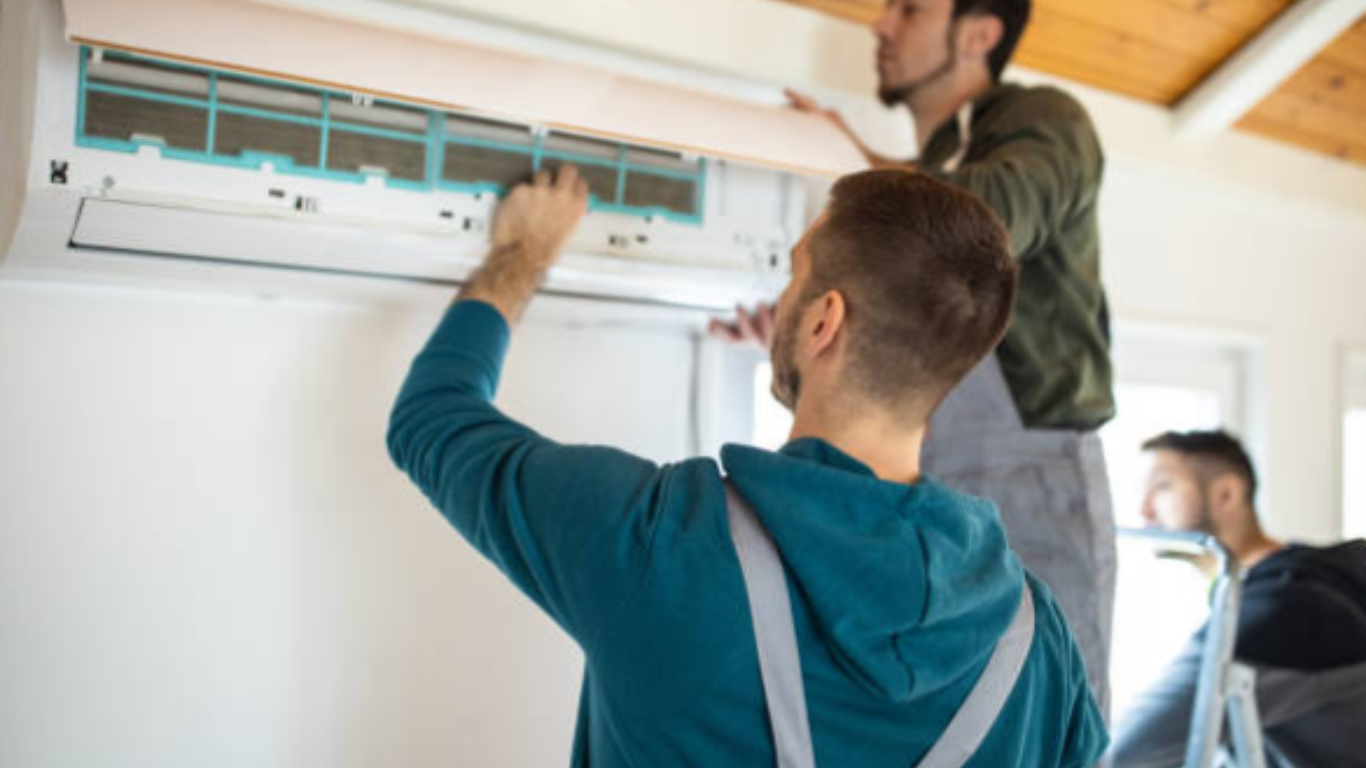

Your AC always seems to quit at the worst possible time, right? When that happens, the first step is to stay calm and check a few basic things before assuming the worst. Sometimes the fix is simple, while other times you may need fast emergency AC repair in Rock Hill, SC.
This guide will walk you through smart first steps, from checking your thermostat to trying AC not working troubleshooting tips that may save time and stress.
If your air conditioner stopped working, knowing what to do first can help you stay safer, cooler, and better prepared for the next step.
What Should You Check First When Your AC Suddenly Stops Working?
The first things you should check when your AC suddenly stops working are the thermostat, the breaker, the air filter, and whether the system is actually receiving power. These are some of the most common causes of sudden cooling loss, and they are also the easiest to inspect safely.
Start With The Thermostat
Before assuming the AC itself has failed, look at the thermostat. Make sure it is:
- Set to cool
Sometimes the setting is accidentally switched to heat, fan, or off. - Set below the current room temperature
If the thermostat is set too high, the AC may not turn on because it does not think cooling is needed. - Powered on and responsive
If the thermostat screen is blank or acting strangely, the issue may be with the thermostat or its power source.
Check The Circuit Breaker
A tripped breaker can shut the system down completely. Look at your electrical panel and see whether the breaker connected to the HVAC system has flipped. If it has, reset it once. If it trips again, that is a warning sign that something more serious may be happening, and it is time to stop there and call a professional.
Look At The Air Filter
A severely clogged air filter can restrict airflow enough to create system problems, especially if the AC has been struggling for a while. If the filter is packed with dust and debris, replace it and see whether the system improves.
Confirm The Outdoor Unit Has Power
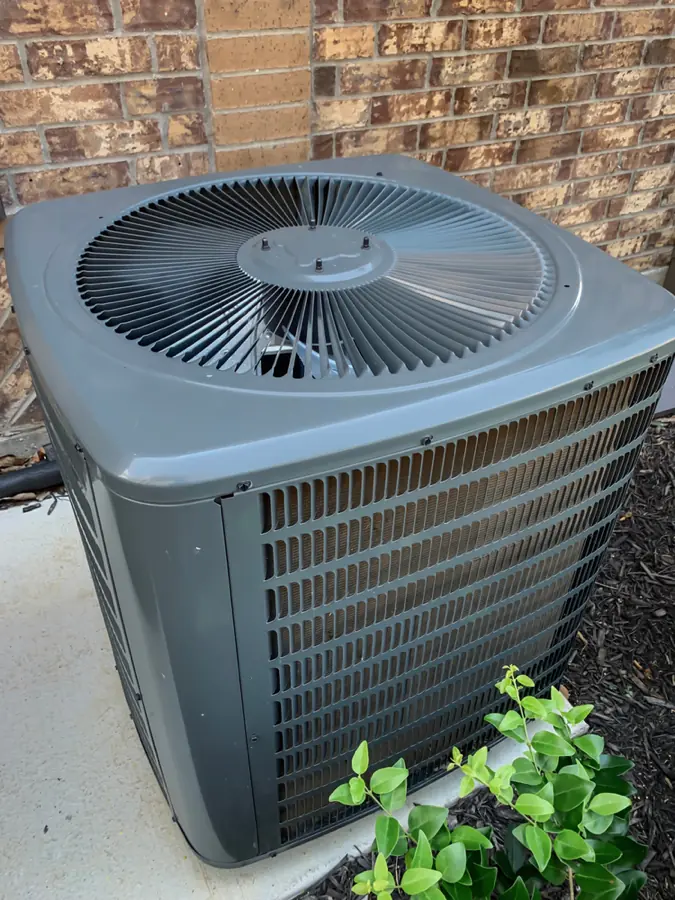
If the indoor system seems to respond but you do not hear the outside condenser running, check whether the disconnect near the outdoor unit is in place and whether the unit appears to have power. Do not open equipment panels. This is only a visual check.
These First Checks Can Save Time
A lot of AC not working troubleshooting begins with these basic steps because they rule out simple problems before moving to more advanced ones. If your air conditioner stopped working in Rock Hill, SC, these are the most helpful places to start.
What Are the Most Common Reasons an AC Unit Stops Working Unexpectedly?
Air conditioners often stop working unexpectedly because of a short list of common issues. Some are minor and easy to correct, while others require professional repair.
Thermostat Problems
A faulty thermostat, dead batteries, incorrect settings, or a communication issue can make it seem like the AC has failed when the real problem is the control system.
Electrical Issues
Electrical problems are one of the most common reasons homeowners need emergency AC repair. These can include:
- Tripped breakers
- Blown fuses
- Wiring issues
- Failed capacitors
- Contactor problems
When electrical components fail, the system may not start at all or may shut down suddenly.
Dirty Air Filters
A clogged filter can put too much strain on the system, reduce airflow, and lead to overheating or freezing issues. This is one of the simplest possible causes, but also one of the most overlooked.
Frozen Evaporator Coil
If airflow is restricted or refrigerant levels are off, the evaporator coil can freeze. Once that happens, the AC may stop cooling properly or shut down entirely. You might notice ice, weak airflow, or warm air from the vents. Related problems like this are often discussed in signs my AC unit is frozen.
Condensate Drain Problems
Some systems shut off automatically when the condensate drain line becomes clogged or the drain pan fills up. This is designed to protect the home from water damage, but it can make the cooling stop suddenly.
Outdoor Unit Problems
If the outside condenser fan or compressor is not running, the system cannot cool properly. In some cases, the inside fan may still blow air, but the air will not be cold.
Sudden Breakdowns Usually Have a Cause
An air conditioner stopped working situation may feel random, but most of the time there is an underlying reason. The goal of good AC not working troubleshooting is to identify whether the cause looks simple, maintenance-related, or repair-related.
Understanding what cooling contractors know about summer can also help homeowners see why AC problems often become more noticeable during periods of heavy use. Long run times and high cooling demand can expose developing issues that may have gone unnoticed during milder weather.
Can You Fix a Broken AC Yourself or Should You Call a Professional?
Some AC issues can be safely checked or corrected by a homeowner, but many problems should be handled by a licensed HVAC technician. Knowing where that line is can help you stay safe and avoid causing more damage.
What You Can Usually Check Yourself
Homeowners can often safely do the following:
- Replace a dirty air filter
- Check thermostat settings and batteries
- Reset a tripped breaker once
- Make sure vents are open and unobstructed
- Look for obvious ice buildup or blocked airflow
- Confirm the outdoor unit is not covered in debris
These are basic AC not working troubleshooting steps that do not require opening the equipment or working with electrical or refrigerant components.
What Should Be Left To a Professional
You should call a professional for anything involving:
- Refrigerant lines or leaks
- Electrical components inside the unit
- Capacitors or contactors
- Compressor issues
- Repeated breaker trips
- Strange noises, burning smells, or smoke
- Water leaks that may involve internal components
These issues can be dangerous or damaging if handled incorrectly.
DIY Has Limits
A lot of homeowners want to save money by fixing the system themselves, but AC systems are more complex than they look. Even if the unit is not running, that does not mean it is safe to work on. If you are unsure, it is better to call for AC repair in Rock Hill, SC than to risk injury or make the problem worse.
The Smart Rule
If the fix involves a basic setting, filter, or visible airflow issue, it may be worth checking yourself. If the problem involves the equipment internals, power issues, or repeated shutdowns, call a professional.
How Do You Troubleshoot an Air Conditioner That Won’t Turn On?
When an air conditioner will not turn on at all, troubleshooting should follow a simple order so you do not miss the obvious before assuming the system has failed.
Step 1: Check The Thermostat
Make sure the thermostat is on, set to cool, and set below the room temperature. If the display is blank, replace the batteries if it uses them.
Step 2: Check The Breaker Panel
Look for a tripped breaker related to the HVAC system. Reset it once if needed. If it trips again, stop there and call for help.
Step 3: Check The Air Filter
A heavily clogged filter can contribute to system shutdowns or airflow-related issues. If it is dirty, replace it.
Step 4: Listen For System Response
When you lower the thermostat, listen for any response from the system. You may hear:
- A click at the thermostat
- The indoor blower starting
- The outdoor unit trying to start
- Nothing at all
These clues can help determine whether the issue is electrical, mechanical, or control-related.
Step 5: Inspect For Ice or Water Problems
If the system recently struggled before shutting down, look for visible ice on refrigerant lines or near the indoor unit. Also look for signs of water around the air handler, which could point to a clogged drain issue.
Step 6: Check The Outdoor Unit Area
Make sure the outdoor condenser is not blocked by heavy debris, vegetation, or obvious damage. This is a visual check only.
Know When Troubleshooting Should Stop
Once you have checked settings, power, filter condition, and visible signs of trouble, the next step is usually professional service. A no-start problem that is not fixed by those basic steps often points to something more technical. You can also compare symptoms with why is AC not turning on.
When Is It Dangerous to Keep Running a Faulty AC Unit?
It is dangerous to keep running a faulty AC unit when it shows signs that the system may be overheating, leaking, freezing, or experiencing electrical problems. Continuing to run it in those conditions can increase the risk of major damage or even create safety concerns.
Warning Signs You Should Not Ignore
Stop using the AC and call for service if you notice:
- Burning smells
This may point to electrical issues or overheating components. - Repeated breaker trips
This can signal an unsafe electrical problem. - Loud banging, buzzing, or grinding noises
These sounds often mean internal parts are failing or under stress. - Ice buildup on the system
Running a frozen system can worsen the underlying issue. - Water leaking around the unit
This may be minor or more serious, but it should still be checked. - Warm air with unusual system behavior
If the AC is running but not cooling and seems strained, forcing it to continue may make the problem worse.
Running It Anyway Can Increase Repair Costs
A system that might have needed a smaller repair can turn into a much more expensive issue if it continues operating under abnormal conditions. This is one reason emergency AC repair in Rock Hill, SC exists. Immediate service is often about preventing bigger damage, not just restoring comfort.
Shut It Down When In Doubt
If the system seems unstable, sounds wrong, smells wrong, or keeps losing power, turn it off and call a professional. That is usually the safer move.
When choosing who to call, it also helps to understand what customers expect from their AC repair company, including clear communication, dependable service, and an accurate explanation of what is wrong with the system.
How Can You Prevent Your AC From Breaking Down Suddenly Again?
You can reduce the chances of a sudden AC breakdown by focusing on regular maintenance, airflow, electrical stability, and early attention to warning signs. No system lasts forever, but many emergency calls happen because smaller issues were allowed to build up.
Change The Air Filter Regularly
A clean filter helps airflow stay strong and reduces strain on the system. This is one of the easiest and most effective ways to improve performance.
Schedule Routine Professional Maintenance
Routine maintenance allows a technician to inspect and clean the system before small issues turn into major ones. Preventive care often includes checking refrigerant levels, electrical components, drain lines, coils, and system operation. Scheduling air conditioning maintenance in Rock Hill, SC can help reduce the risk of surprise breakdowns.
Keep The Outdoor Unit Clear
The condenser needs space and airflow to work properly. Keep leaves, grass, and debris away from it, and make sure plants are not crowding the unit.
Pay Attention To Early Warning Signs
Do not ignore:
- Reduced cooling performance
- Weak airflow
- Rising humidity indoors
- Strange noises
- Short cycling
- Higher energy bills without explanation
These often appear before a full breakdown.
Check Your Thermostat And Electrical Setup
If your thermostat is unreliable or your breaker trips occasionally, those issues should be looked at before they become a complete no-cooling situation.
Prevention Is Usually Cheaper Than Emergency Repair
One of the best ways to avoid another air conditioner stopped working in Rock Hill, SC scenario is to stop waiting for the unit to fail before giving it attention. Regular care makes AC not working troubleshooting less likely to become an urgent problem in the first place.
Final Thoughts
A sudden AC breakdown can feel overwhelming, especially on a hot day, but knowing what to do first can make a big difference. Starting with basic troubleshooting steps helps you check for simple issues before assuming the worst.
At the same time, it is just as important to recognize signs of a more serious problem, like strange noises, leaks, freezing, or repeated power loss.
The better you understand your system, the easier it is to respond quickly, stay safe, and keep a minor issue from turning into a major repair.
Don’t Let a Sudden AC Problem Ruin Your Day
When your cooling system quits without warning, taking the right next step matters. Start with the basics like the thermostat, breaker, and air filter, then look for obvious signs of airflow or power issues.
When simple AC not working troubleshooting is not enough, getting emergency AC repair in Rock Hill, SC is the smartest way to restore comfort, protect your system, and get your home feeling cool again.
At Elite Air & Heat LLC, we know how stressful it is when an air conditioner stopped working without warning. Our team is here to help you get your system checked, repaired, and running again as quickly as possible.