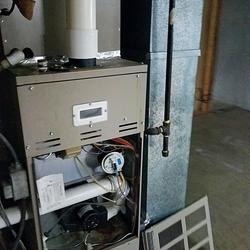

If your furnace dies in the middle of winter, it’s bad. If it dies on Christmas Eve, it’s a full-on panic moment. This homeowner was hours away from hosting, the temperature inside was dropping fast, and the holiday mood was slipping right along with it. No one wants to spend Christmas shivering, especially with kids, guests, and food to cook. The surprising part is how quickly things turned around.
With the right team and a fast furnace replacement, the heat came back before the celebrations started. Suddenly, the home felt warm again, the stress lifted, and Christmas Eve was back on track. In this story, we’re diving into that “winter miracle” feeling, when a big home problem shows up at the worst time, and a smart, quick fix saves the day.
What Happens If a Furnace Stops Working During The Holidays?
A furnace going out during the holidays isn’t just an inconvenience, it’s a very real disruption that affects comfort, safety, family plans, and the emotional feel of the season.
- Indoor temperatures drop quickly.Winter cold seeps into a home faster than people expect. Within hours:
- Pipes risk freezing
- Rooms become uncomfortable
- The thermostat reads numbers no homeowner wants to see
- Holiday gatherings fall into uncertainty.A house full of people and no heat is a recipe for chaos guests shiver, cooking becomes harder, rooms become unusable, and older relatives and babies face real risks.
- Homeowners scramble for backup heat.Space heaters come out of closets. Fireplaces get overused. Extra blankets become a temporary solution. But none of these are long-term fixes.
- Stress levels rise at the worst possible moment.Holidays amplify emotions. A furnace failure feels like the universe played a joke at the most inopportune time.
- Emergency HVAC services become essential.This is where the unexpected miracle often enters the story, an HVAC contractor willing to work late into Christmas Eve, diagnosing the issue, and making the impossible feel possible.
- Furnace replacement becomes a race against the cold.If the furnace can’t be repaired:
- A new system must be chosenOld equipment must be removedInstallation must happen fastSafety checks must be completed
A furnace breakdown on Christmas Eve feels catastrophic in the moment, but with fast action and the right help, it often becomes one of the most surprising and appreciated rescues a homeowner ever experiences.
How Do Homeowners Prepare For a Sudden Furnace Replacement?
While most people never expect a Christmas Eve furnace replacement, homeowners can still take steps to prepare for emergencies, long before the snow starts falling.
- Know your furnace’s age.If your furnace is over 15 years old, it’s more likely to fail during extreme temperatures. Awareness is the first line of preparedness.
- Schedule annual maintenance.This is the single most effective way to prevent surprise breakdowns. Furnace maintenance and seasonal tune-ups catch:
- Cracked componentsWeak ignitorsLow airflowBurner issuesElectrical problems
- Have a backup heat plan.Portable heaters, fireplace readiness, or a heated basement setup can keep a home livable while waiting for emergency service.
- Understand your emergency service options.Not all HVAC companies offer holiday or 24/7 service. Homeowners who know who to call avoid panic when temperatures plunge.
- Keep filters clean year-round.A dirty filter can cause a furnace to overheat and shut down at the worst possible moment. Keeping up with air filter replacements can make a bigger difference than many homeowners realize.
- Stay financially prepared.A furnace replacement can be unexpected. Financing options from HVAC companies help homeowners move quickly when emergencies arise.
- Pay attention to early warning signs.Most furnace failures don’t come out of nowhere, they show symptoms long before quitting.
Preparation doesn’t remove the stress entirely, but it dramatically reduces the severity of a winter heating emergency.
Why are Winter Furnace Failures More Common?
When temperatures drop, furnaces work harder, sometimes far harder than they were designed to. That level of strain exposes every weakness in the system.
- Furnaces run longer cycles in extreme cold.Instead of cycling on and off, systems may run nonstop for hours. This puts intense strain on:
- Motors
- Belts
- Blowers
- Electrical components
- Heat exchangers
- Older systems can’t meet demand.A furnace that was “just fine” in October may crumble under the pressure of a December freeze.
- Components become brittle.Metal contracts in the cold. Electrical connections loosen. Older plastic components may crack. Cold tests every vulnerable point.
- Frozen or blocked intake pipes cause shutdowns.Many high-efficiency furnaces rely on clean, open intake and exhaust pipes. Snow or ice buildup easily triggers an emergency shutdown.
- Dirty filters cause overheating.Restricted airflow leads to:
- Reduced efficiencyHigher temperatures inside the furnaceAutomatic safety shutoffs
- Wear-and-tear from past winters accumulates.A furnace that limped through last winter may not survive this one.
- Thermostat issues spike when homes heat unevenly.Frozen sensors, poor wiring, or old thermostats can fail just when heat is needed most.
Winter doesn’t necessarily cause furnace problems, it reveals them.
What are The Signs That a Furnace May Fail in Cold Weather?
Homeowners often brush off early symptoms as “normal winter behavior,” but furnaces give plenty of warnings before failing. Recognizing these signs can turn a Christmas Eve disaster into a routine service call.
- Odd noisesWhistling, popping, grinding, and clicking, these are not festive sound effects; they’re mechanical trouble.
- Weak or uneven heatIf some rooms never warm up, your system is struggling.
- Short cyclingIf the furnace turns on and off rapidly, something is failing internally.
- Higher energy billsIf the cost skyrockets without explanation, inefficiency is already taking hold.
- Cold air blowing from ventsNot a misprint, not a good sign either.
- Furnace is older than your Christmas tree traditionFurnaces over 15–20 years old are far more prone to sudden failure.
- The thermostat keeps getting adjustedWhen you keep bumping the heat higher just to feel warm, the furnace is losing its ability to keep up.
- Strange smells during operationBurning dust? Possible.
Metallic or electrical smells? Not normal.
Musty odors? A sign of deeper problems.
The earlier homeowners notice these symptoms, the sooner a technician can prevent a holiday emergency. In many cases, timely furnace repair or a professional furnace tune-up can stop a complete breakdown before it starts. For homeowners comparing warning signs, articles like broken blower and heating issues furnace repair tips and what freezing nights reveal about your furnace that mild weather never will offer helpful insight.
Trust Elite Air & Heat LLC to Deliver Heat When It Matters Most
At Elite Air & Heat LLC, we know that winter doesn’t wait, and neither do heating emergencies. Whether your furnace quits on Christmas Eve, the coldest night of the year, or a quiet Tuesday morning, our team is ready to restore comfort, safety, and peace of mind.
Beyond emergency repairs, the heating company’s role in climate change can include helping homeowners choose more energy-efficient systems, maintain equipment for better performance, and reduce unnecessary energy use throughout the heating season.
If your furnace is showing early signs of trouble or you want to avoid a holiday crisis altogether, schedule service with Elite Air & Heat LLC today. We’re here to keep your home warm, your holidays bright, and your season hassle-free.