
Everything seems fine while the heat is running. The house is warm, the system sounds normal, and you move on with your day. Then spring rolls around, the heat shuts off, and suddenly something feels off.
Strange noises, weak airflow, or higher energy bills start showing up out of nowhere. That’s the cold-weather HVAC problem most homeowners don’t realize exists.
Winter can quietly strain your system, hiding wear and damage behind constant use. Once the heat is gone, those issues finally make themselves known, often when you least expect it.
Why Does My HVAC System Stop Working During Extreme Cold Weather?
This is the question every homeowner asks when the thermostat says 68, but the living room feels like 55.
The truth is, HVAC systems don’t always fail randomly. Extreme cold creates a perfect storm of stress, demand, and hidden weaknesses.
When temperatures plunge, your heating system has to work harder than it does during a normal winter day. Instead of cycling on and off comfortably, it may run longer, push more airflow, and burn more fuel or energy to keep up.
That extra strain can expose issues that were already waiting under the surface. If you want a deeper look at how systems behave under stress, this breakdown of what happens when the heat fails on Christmas morning shows just how quickly things can go wrong.
Here are a few reasons systems stop working during extreme cold:
Increased Runtime and Overload
When it’s bitter outside, your system may run almost nonstop. Components that are worn out can finally give up under that load.
Frozen or Blocked Outdoor Heat Pump Units
If you use a heat pump, ice buildup can reduce performance or stop operation altogether. Professional heat pump services can help prevent this issue before winter peaks.
Electrical Problems Become More Common
Cold weather can affect wiring, connections, and control boards, especially in older systems.
Safety Shutoffs Trigger More Easily
Modern furnaces have built-in safety switches. If airflow is restricted or combustion isn’t right, the system may shut down to prevent danger.
Fuel Delivery Issues
For gas systems, regulators and lines can struggle in extreme cold, especially if maintenance has been neglected.
The hardest part is that many of these problems don’t announce themselves gently. The system just stops.
What Causes a Home Heating System to Fail When Temperatures Drop Suddenly?
Sudden cold snaps are HVAC troublemakers.
A gradual winter gives your system time to adjust. But when temperatures drop 20 degrees overnight, your furnace or heat pump goes from casual work to maximum effort instantly.
That’s like asking someone to jog daily all month, then suddenly run a marathon without warning.
Some of the most common causes of failure during sudden drops include:
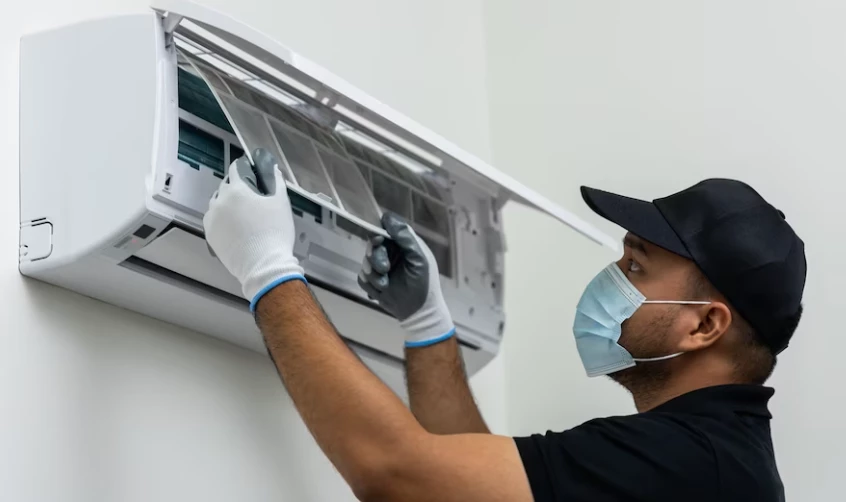
Dirty Filters and Restricted Airflow
A clogged air filter might not matter much at 45 degrees outside. But at 15 degrees, airflow restriction becomes a serious problem.
It can lead to:
- Overheating
- Short cycling
- Furnace shutdown
If you’re unsure how airflow impacts performance, this guide on how dirty air filters affect your HVAC system’s efficiency explains it clearly.
Thermostat Overcorrection
Homeowners often crank the thermostat way up when they feel cold. That can force the system into overdrive and trigger auxiliary heat or stress the furnace.
Aging Components Reaching Their Limit
Motors, ignitors, belts, and sensors don’t always fail slowly. They can work “fine” until the day they don’t.
Condensation Line Freezing
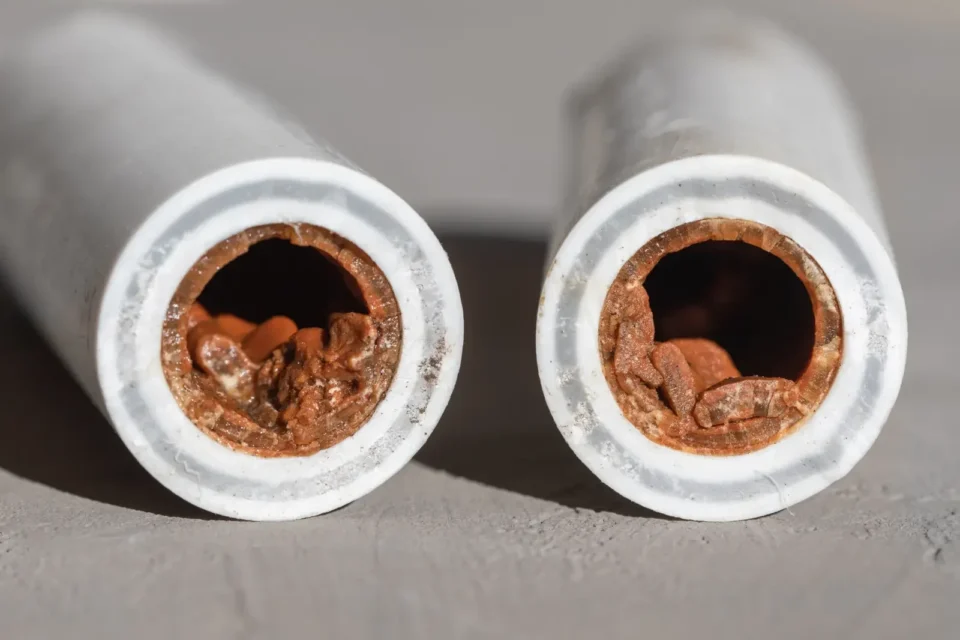
High-efficiency furnaces produce condensation. In freezing temps, drainage lines can freeze and cause the furnace to shut off for safety.
Ductwork Problems
Cold weather can expose leaks or weak airflow distribution, making some rooms feel unheated even if the system is technically running.
Cold snaps don’t always create new problems. They reveal the ones that were already there.
How Can Cold Weather Affect Furnace Performance Without Warning Signs?
This is what surprises homeowners the most.
They’ll say, “It was working yesterday. It was fine all week. No weird noises. No issues.”
Then suddenly: nothing.
Cold weather can impact furnace performance quietly because many furnace problems build up silently until they cross a threshold.
Here’s how that happens:
Sensors Can Get Dirty Over Time
Flame sensors often collect residue. The furnace may still run… until it suddenly decides it can’t reliably detect flame and shuts down.
Small Airflow Restrictions Become Big Ones
A slightly dirty blower or filter isn’t catastrophic in mild weather. In extreme cold, the furnace must push harder, and overheating becomes more likely.
Ignition Systems Can Fail Instantly
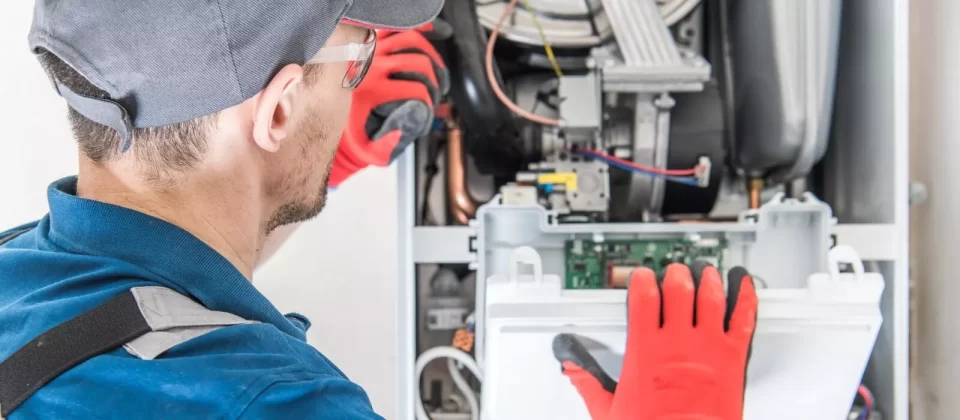
Hot surface ignitors or pilot systems can weaken gradually, but they tend to fail all at once. If this happens, you may need fast furnace repair to restore heat quickly.
Mechanical Stress Increases in Cold
As metal contracts in freezing temperatures, older parts may shift just enough to create malfunctions.
Venting Issues Become Dangerous
Snow or ice can block exhaust vents, triggering safety shutoffs.
The system may not give you an obvious warning because it’s designed to shut down quickly when something isn’t safe.
That’s good for safety, but terrible for comfort at midnight.
What Are the Most Common Heating Issues Homeowners Discover After The Heat Shuts Off?
Unfortunately, many homeowners only learn about heating issues once their house starts cooling down.
Here are the most common problems HVAC technicians see after a winter breakdown:
Clogged Air Filters
This is the simplest and most common issue. A $15 filter can be the difference between steady heat and total shutdown.
Failed Ignitor
Without ignition, the furnace can’t produce heat at all. This is a frequent culprit in sudden no-heat calls.
Malfunctioning Thermostat
Sometimes the system is fine, but the thermostat isn’t communicating properly.
Flame Sensor Problems
A dirty flame sensor can prevent the furnace from staying lit, causing repeated shutdowns.
Blower Motor Failure
The furnace may generate heat, but without airflow, it overheats and shuts off.
Frozen Heat Pump Unit
Heat pumps can ice over, especially if the defrost cycle isn’t working correctly.
Tripped Breakers or Electrical Issues
Cold-weather power surges and stressed circuits can trip breakers unexpectedly, sometimes requiring professional electrical repair to resolve safely.
Condensate Drain Blockage
High-efficiency units often shut down when condensation can’t drain properly.
Here’s a quick “after the heat is gone” checklist homeowners often notice:
- House getting colder even though thermostat is set
- System turning on briefly, then stopping
- Strange clicking or silence
- Outdoor unit frozen
- No airflow from vents
- Burning or dusty smell when it tries to start
Most of these issues are fixable, but they’re far easier to handle before the heat fully disappears.
The Real Cold-Weather Problem Isn’t the Breakdown, It’s the Surprise
In my opinion, the biggest HVAC issue homeowners face in winter isn’t just mechanical failure.
It’s being caught off guard.
Heating systems don’t usually fail when it’s 50 degrees outside. They fail when they’re working hardest, during the coldest nights of the year.
And because many problems develop quietly, homeowners don’t realize anything is wrong until the house feels like a refrigerator.
The best way to avoid that is simple: proactive maintenance and early attention to small changes. Regular heating services can catch issues early and keep your system reliable through extreme conditions.
If your system is running longer than usual, making new sounds, or struggling during cold snaps, don’t wait for the heat to vanish.
That moment is never convenient.
Stay Warm When Winter Hits Hard With Elite Air & Heat LLC
Extreme cold doesn’t care if your furnace is overdue for maintenance or if your heat pump is barely hanging on.
That’s why having a trusted HVAC team matters.
Don’t Let the First Sign of Trouble Be a Cold House
At Elite Air & Heat LLC – HVAC, Plumbing & Electrical, we help homeowners stay ahead of winter breakdowns with expert inspections, fast repairs, and reliable heating solutions when temperatures drop.
If your system is acting strange, or you want peace of mind before the next cold front arrives, don’t wait—schedule your service today.
Let’s keep your home warm, steady, and ready for whatever winter brings.