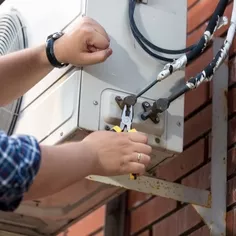

Your HVAC system usually gives you warning signs before it completely gives out, but knowing what those signs mean is the tricky part. Maybe you are dealing with uneven temperatures, higher energy bills, or a unit that keeps breaking down.
That is when the big question comes up: should you schedule HVAC repair in Rock Hill, SC or start thinking about a full AC replacement? Understanding HVAC repair vs replacement can help you avoid wasting money on the wrong fix.
If you are trying to figure out when to replace HVAC system, it helps to know what problems point to repair and what signals a bigger upgrade.
Repair or Replace: Where to Start
Use this guide to decide whether to repair or replace, then go deeper for your type of system and your next step.
Guides by System
- Air conditioner: repair vs. replace your air conditioner
- Heat pump: heat pump repair in Rock Hill
- Furnace: furnace repair in Rock Hill
If You Are Leaning Toward Repair
If You Are Leaning Toward Replacement
- HVAC installation and replacement in Rock Hill
- What a new HVAC system costs in Rock Hill
- HVAC brands we install and service
How Can I Tell If My HVAC System is Failing?
A failing HVAC system usually gives you several warning signs before it completely quits. The challenge is that many homeowners ignore those signs because the unit still technically runs. But “running” and “working well” are not the same thing.
Common signs your HVAC system may be failing
Weak airflow
If the air coming from your vents feels weak, inconsistent, or barely noticeable, the system may be struggling to distribute air properly. This can be caused by blower issues, duct problems, or a unit that is simply wearing out.
Strange noises
Grinding, banging, rattling, buzzing, or squealing noises are never a good sign. Some noises point to loose parts or worn components that may be repairable. Others suggest deeper mechanical trouble.
Short cycling
If your system turns on and off too often without completing a normal heating or cooling cycle, it may be under stress. Short cycling can reduce efficiency, increase wear, and signal that something is off with the unit size, thermostat, or internal parts.
Inconsistent comfort
A system that cannot maintain the temperature you set may be losing its ability to perform. This is one of the most common reasons homeowners start weighing HVAC Repair vs Replacement.
Unusual odors
Burning smells, musty odors, or other odd scents coming from the vents can indicate electrical issues, mold, or internal wear.
Excess indoor humidity
Air conditioning systems help remove humidity as they cool. If your home feels sticky even when the AC is running, your system may not be operating as it should.
These signs do not always mean you need immediate replacement, but they do suggest the system deserves closer attention. In many cases, prompt HVAC repair in Rock Hill, SC can solve the issue. In others, these symptoms are part of a bigger pattern of system decline.
What is the Life Expectancy of an HVAC System?
The average life expectancy of an HVAC system depends on the type of equipment, how well it has been maintained, and how heavily it has been used over the years. In general, most residential systems last around 10 to 20 years.
Typical lifespan ranges
Central air conditioners
Many central air conditioning systems last around 12 to 15 years, though some may last longer with good maintenance.
Furnaces
Gas furnaces often last 15 to 20 years, while electric furnaces may also reach a similar range depending on use and upkeep.
Heat pumps
Heat pumps generally last about 10 to 15 years because they often work year-round for both heating and cooling.
What affects system lifespan?
Maintenance history
Regular tune-ups, filter changes, and timely repairs usually help systems last longer. Even simple habits, such as understanding whether closing your garage door in summer can help your HVAC system, may support better home cooling efficiency and reduce unnecessary strain.
Installation quality
A system that was poorly installed may wear out faster or struggle with efficiency from the start.
Usage demands
Homes in areas with long, hot summers or cold winters often put more strain on HVAC equipment.
Ductwork and airflow conditions
If the system has had to fight poor airflow or leaking ducts for years, it may age faster.
Age alone does not automatically mean replacement is necessary, but it does matter. Once a system gets into the later part of its expected life, homeowners should start thinking more seriously about when to replace HVAC system in Rock Hill, SC properties may rely on less efficiently each year.
When Should I Stop Repairing and Replace My HVAC Unit?
There comes a point when repeated HVAC repair is no longer the most cost-effective option. That point looks different for every homeowner, but some clear patterns usually show when replacement makes more sense.
Signs it may be time to stop repairing
Repairs are becoming frequent
If you are calling for service multiple times a year, that is a strong sign the system is losing reliability.
Repair costs are adding up
A single small repair may not be a big deal. But when repair bills start stacking up, continuing to patch the system may cost more than putting that money toward replacement.
The system is old and inefficient
An aging unit that still needs expensive repairs may not be worth keeping, especially if its performance has already dropped.
Comfort problems keep returning
If certain rooms stay too hot or too cold, humidity issues keep happening, or the unit struggles during peak weather, replacement may offer a better long-term solution.
Major components are failing
When expensive parts like the compressor, blower motor, or heat exchanger begin failing on an older system, replacement often deserves serious consideration.
A common rule homeowners hear is whether a repair costs a large percentage of what a new system would cost. While that can be a helpful guideline, it should not be the only factor. The bigger question in HVAC repair vs replacement is whether the system is still giving you dependable value or becoming a constant source of stress and expense. This is also where homeowners often ask whether they should choose HVAC repair in Rock Hill, SC or replace the system entirely.
Are Rising Energy Bills a Sign I Need HVAC Replacement?
Rising energy bills can absolutely be a sign that your HVAC system is becoming less efficient. If your usage habits have not changed much, but your monthly heating or cooling costs keep climbing, your equipment may be working harder than it should.
Why older HVAC systems use more energy
Wear and tear reduces efficiency
As components age, the system may need more energy to produce the same amount of heating or cooling.
Dirty or stressed internal parts
Even with maintenance, older systems can develop buildup, airflow restrictions, and worn parts that reduce performance.
Outdated technology
Newer systems are often designed with much better efficiency standards than units installed many years ago.
Poor cycling or run times
A struggling unit may run longer, cycle more often, or work inefficiently to maintain the thermostat setting.
Of course, rising bills are not always caused by the HVAC unit alone. Duct leaks, poor insulation, thermostat issues, or air leaks in the home can also affect energy use. Still, if your system is older and your bills keep going up, that is one of the strongest reasons to compare HVAC repair vs replacement carefully.
For many homeowners trying to determine when to replace HVAC system in Rock Hill, SC comfort depends on, energy costs become one of the biggest deciding factors.
How Often is Too Often For HVAC Repairs?
If HVAC repairs are becoming a regular part of your year, that is usually a sign something bigger is going on. Occasional service is normal. Frequent breakdowns are not.
What counts as too often?
There is no perfect number that applies to every home, but some patterns are worth watching:
- Multiple repairs in one year
- The same issue returning after being fixed
- Different components failing one after another
- Seasonal breakdowns every summer or winter
- Service calls that are becoming more expensive each time
Why repeated repairs matter
Costs add up quickly
Even smaller service visits can become expensive over time, especially when they happen repeatedly.
Reliability drops
A system that keeps breaking down cannot be trusted when you need it most, especially during extreme temperatures.
There may be a deeper issue
Repeated symptoms can point to overall system decline rather than isolated repair needs.
If your unit has become a frequent repair project, it may be time to stop looking at issues one by one and start considering the whole system. This is often the point where HVAC Repair shifts from practical maintenance into temporary damage control.
Can Uneven Temperatures Mean My HVAC System is Failing?
Yes, uneven temperatures can be a sign that your HVAC system is failing, though they can also be caused by ductwork issues, insulation problems, thermostat placement, or airflow imbalances. Still, when temperature inconsistency becomes persistent, the HVAC system itself is often part of the problem.
Signs of uneven temperature trouble
Some rooms stay hotter or colder than others
This is one of the most common complaints homeowners have when their system starts declining.
The system struggles to reach the set temperature
If the thermostat says one thing but the home feels different, the unit may no longer be keeping up.
Comfort changes from floor to floor
Upstairs areas often show HVAC performance issues first, especially if airflow is weak or the system is aging.
How a failing system can cause uneven comfort
Reduced airflow capacity
An older blower or weakened system may not push air evenly through the home.
Loss of cooling or heating output
As efficiency drops, the system may cool or heat some areas less effectively.
Longer run times without better comfort
A system can be working harder but still distributing comfort poorly.
Uneven temperatures do not always mean replacement is needed right away, but they should not be ignored. If balancing, airflow adjustments, or HVAC repair in Rock Hill, SC no longer solve the issue, it may be time to think about replacement as the more complete solution.
Should I Replace HVAC Before It Completely Breaks Down?
In many cases, yes, replacing your HVAC system before it completely fails is the smarter move. Waiting for total breakdown may feel like you are getting every last bit of value from the unit, but it can also leave you making a rushed decision during an uncomfortable emergency.
Benefits of replacing before failure
You can plan the investment
Replacing early gives you time to budget, compare options, and choose the right system instead of settling for whatever is available during an emergency.
You avoid sudden comfort loss
A full breakdown often happens during extreme weather when the system is under the most strain.
You reduce emergency repair stress
Last-minute breakdowns can come with limited scheduling availability, urgent costs, and added frustration.
You may avoid further damage
A failing system can place stress on connected components or create comfort and humidity issues in the home.
When proactive replacement makes sense
Proactive replacement is often worth considering if:
- Your system is old
- Repairs are happening more often
- Energy bills are climbing
- Comfort problems are increasing
- A major repair is being recommended
Many homeowners only start researching when to replace HVAC system homes depend on after they are already dealing with a no-cooling or no-heating emergency. Replacing before that point gives you more control, less stress, and a better chance of making a well-informed decision.
Final Thoughts
Figuring out whether you need HVAC repair or full replacement comes down to looking at the bigger picture. A system that still runs is not always a system that is working well.
Rising energy bills, uneven temperatures, frequent breakdowns, and costly repairs can all point to a unit that is losing value over time. Sometimes a repair is the smart fix. Other times, replacement makes more sense for long-term comfort and savings.
The key is understanding the signs early so you can make a decision before the problem turns into a bigger headache. You can also learn more about how regular AC maintenance can prevent major repairs and explore a maintenance plan if you want to reduce the chances of unexpected breakdowns.
Get Clear Answers Before You Spend More on the Wrong Fix
An HVAC system that keeps struggling can leave you stuck between one more repair and a full replacement. That decision gets easier when you look at the full picture, including age, comfort problems, repair history, and energy costs.
At Elite Air & Heat LLC – HVAC, Plumbing & Electrical, we help homeowners make informed decisions without pressure. If your HVAC system has been giving you signs that something is off, our team can inspect it, explain what is happening, and help you determine whether HVAC repair in Rock Hill, SC or replacement makes the most sense for your home.
Reach out today through our contact page or schedule service online and let us help you move forward with confidence and comfort.
Leaning toward replacement? See our breakdown of HVAC replacement costs in 2026, or learn how to choose the right HVAC company in Rock Hill, SC.