
Getting a new HVAC system is a big step, and it is completely normal to wonder what the day will actually look like. Will it take all day? Will your home be a mess? Will the process be stressful?
For an overview of every system we install and replace, visit our HVAC installation and replacement page.
The good news is that a professional HVAC installation service in Rock Hill, SC is usually much smoother than most homeowners expect. Knowing a little about the HVAC installation process can help you feel more prepared and more confident from the start.
If you have been asking what happens during HVAC install, this guide will walk you through the basics in a simple way.
What Happens During HVAC Installation Step By Step?
The installation itself usually follows a planned sequence. While every home is a little different, most projects move through several standard stages.
Initial Inspection and Setup
Before any major work begins, the crew typically confirms the equipment being installed, reviews the layout of the home, and protects nearby floors or work areas. They may also inspect duct connections, electrical access, refrigerant lines, drain lines, and existing ventilation components.
This early step is important because it helps prevent surprises. A skilled team does not just show up and swap boxes. They verify the details so the HVAC installation process goes smoothly.
Shutting Down and Disconnecting the Old System
Once setup is complete, technicians usually power down the old equipment and disconnect the necessary electrical, refrigerant, gas, or drainage connections. Safety matters here, especially when dealing with older units that may have worn parts or outdated materials.
Removing the Old Equipment
After disconnecting the system, the crew removes the existing indoor and outdoor components. This may include the air handler, furnace, evaporator coil, condenser, or other system elements, depending on what is being replaced.
Preparing the Installation Area
Before the new system goes in, technicians may need to clean, level, modify, or reinforce the equipment area. In some homes, small updates are needed to ensure the new unit fits properly and operates efficiently.
Installing the New HVAC Components
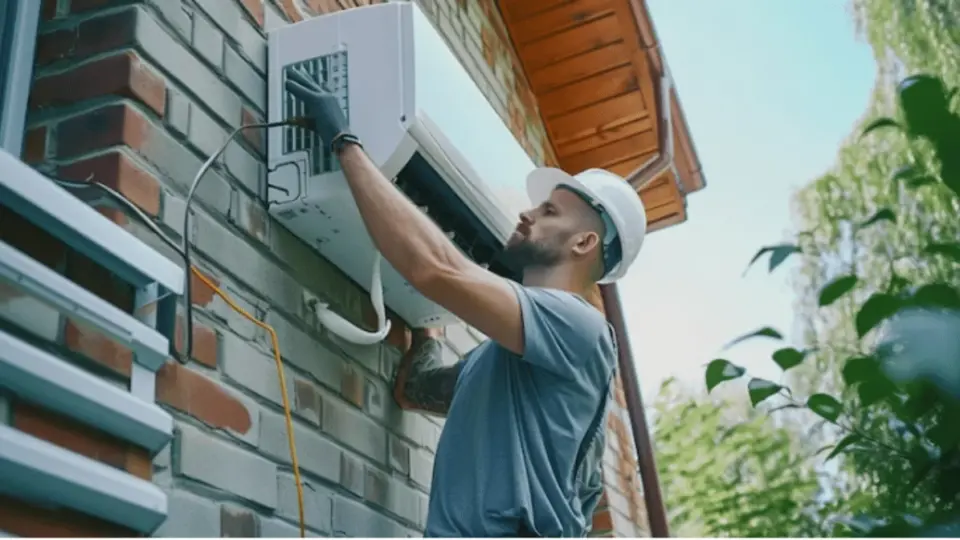
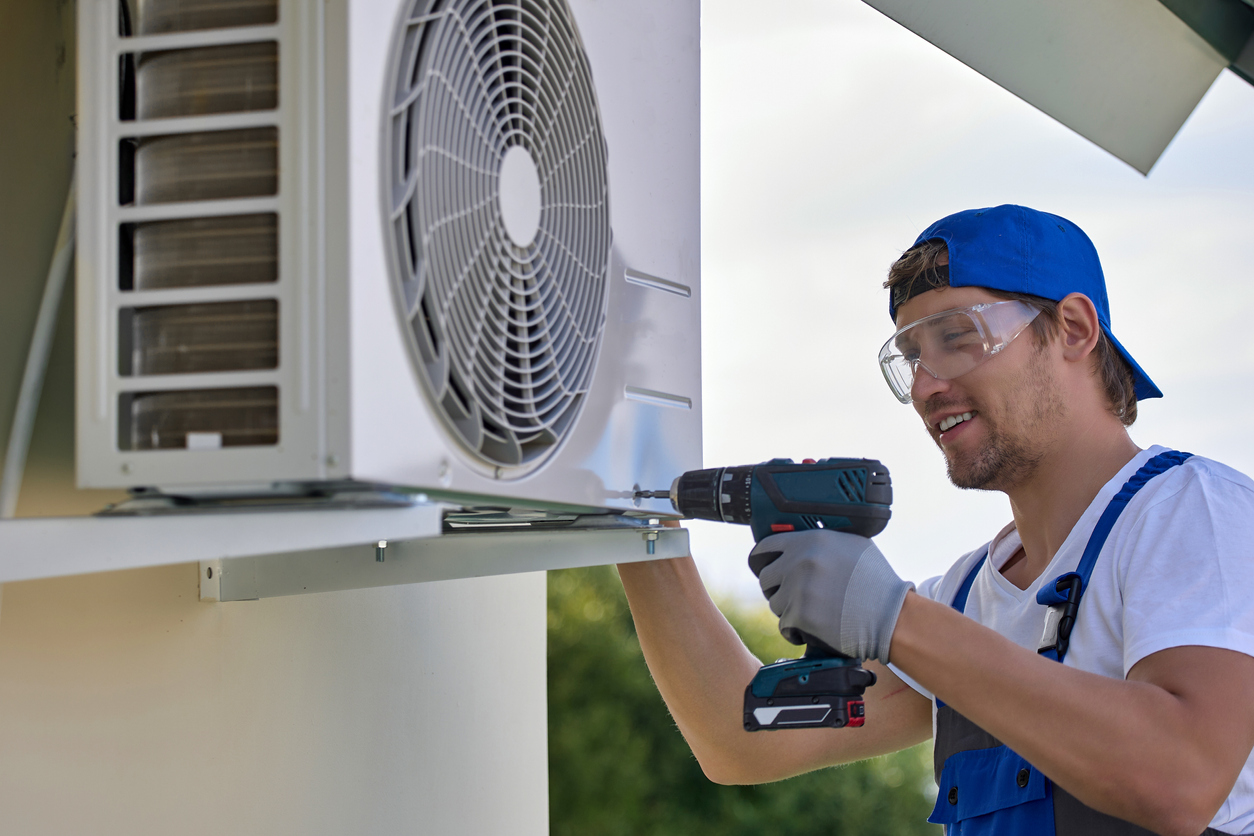
This is the core of the HVAC installation service in Rock Hill, SC. The crew places the new indoor and outdoor equipment, connects refrigerant lines, electrical wiring, drainage, duct attachments, and other system parts. If the installation includes a thermostat upgrade, that may happen during this phase as well.
Testing and Calibration
After the equipment is installed, technicians test airflow, thermostat communication, system cycling, refrigerant performance, and heating or cooling output. They may also check for leaks, confirm proper drainage, and verify that the system is running according to manufacturer standards.
Final Walkthrough
At the end of the job, the installer should explain system operation, basic maintenance tips, thermostat settings, and anything else you need to know as the homeowner. This final review is one of the most useful parts of understanding what happens during HVAC install in Rock Hill, SC residents should expect from a professional team.
Do I Need To Prepare My Home Before Installation?
Yes, a little preparation can make installation day easier for both you and the technicians. You do not need to do the contractor’s job for them, but clearing access and preparing key areas helps the work move faster and with fewer interruptions.
Helpful Ways to Prepare
- Clear space around indoor equipment
If your furnace, air handler, or other equipment is in a closet, attic, garage, or utility room, remove clutter from the surrounding area so technicians can work safely. - Make the outdoor unit accessible
Trim back anything blocking access to the outdoor condenser area, such as furniture, bins, plants, or yard tools. - Protect pets
Installation day can involve open doors, noise, movement, and multiple technicians entering and leaving the home. Keeping pets secured is usually a smart idea. - Be ready for questions
A technician may ask where electrical panels are located, which rooms have airflow issues, or whether you have noticed comfort problems in the past. Being available to answer those questions can help. - Plan for temporary system downtime
You may be without heating or cooling during part of the installation, so it helps to plan accordingly depending on the weather.
Preparing your home does not have to be complicated. It simply helps the HVAC installation process stay efficient and reduces the chance of delays. A good contractor will still guide you through what they need before the work begins.
Will Technicians Remove My Old HVAC System?
Yes, in most replacement jobs, technicians will remove the old HVAC equipment as part of the installation. This is a standard part of a full HVAC installation service and should not be something you are left to handle on your own.
What Removal Usually Includes
- Disconnecting old components
The crew will safely disconnect the old indoor and outdoor units from power, refrigerant lines, drain lines, gas lines if applicable, and thermostat wiring. - Taking out the equipment
Depending on the setup, they may remove the air conditioner, heat pump, furnace, coil, or air handler. In some cases, parts of the old system are large and require careful handling to get them out of tight spaces. - Disposing of old materials
Most professional installers remove the old units from the property and handle disposal according to local requirements. This is especially important when older refrigerants or outdated components are involved.
Will Everything Always Be Replaced?
Not always. Some installations involve full system replacement, while others only replace certain components. Still, if the old system is being upgraded properly, your contractor should explain exactly what is being removed and what is staying.
This is one area where homeowners often ask what happens during HVAC install projects because they want to know whether they will be stuck with old equipment or debris afterward. In a properly managed job, removal and cleanup are part of the service, not an extra headache. You can also learn more about old system removal if this is one of your top concerns.
How Disruptive is HVAC Installation to Daily Life?
HVAC installation is somewhat disruptive, but it is usually manageable. There will likely be noise, technician movement, equipment transport, and temporary loss of heating or cooling. Still, in most homes, the disruption is short-term and well worth the long-term comfort benefits.
What to Expect During the Day
- Noise from tools and equipment
Drilling, lifting, cutting, and moving equipment can create noticeable noise, especially when indoor components are being replaced. - Technicians moving in and out
The crew may need access to your indoor equipment area, thermostat, attic, crawlspace, and outdoor condenser area throughout the job. - Short-term dust or minor mess
Most professionals take care to protect the home, but installation work can still create some dust or foot traffic. Good crews clean up after themselves. - Temporary temperature discomfort
Since the old system must come out before the new one is fully operating, there may be a period when your home is warmer or cooler than usual.
Can You Stay Home During Installation?
In many cases, yes. Most homeowners stay home during at least part of the installation. You may just want to avoid the immediate work zones and keep children or pets away from those areas.
A professional HVAC Installation Service should keep disruption as controlled as possible. The job may be active and a little noisy, but it should still feel organized rather than chaotic.
Do I Need Permits For HVAC Installation?
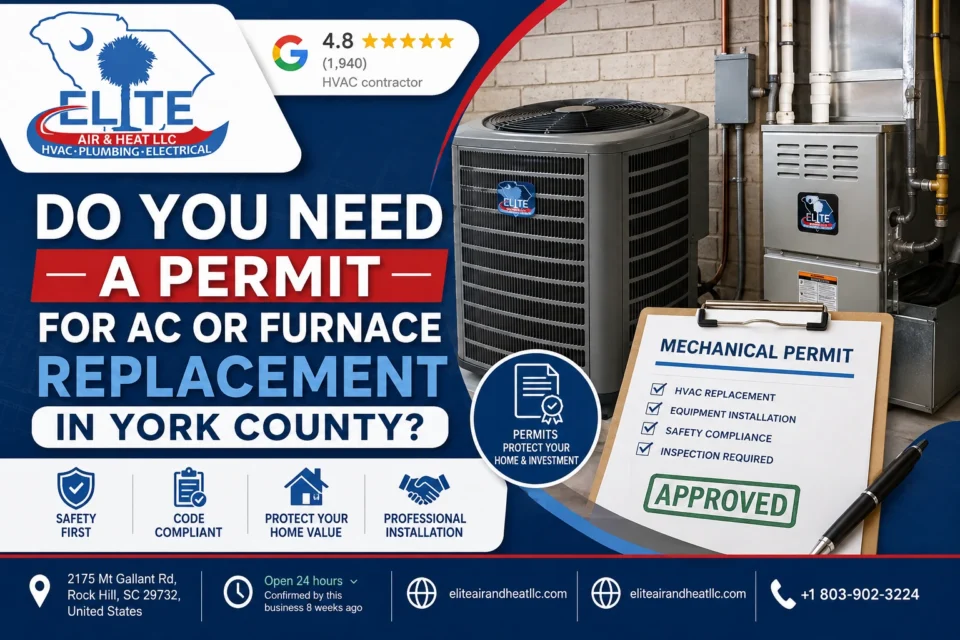
In many cases, yes, permits may be required for HVAC installation, especially when the project involves equipment replacement, electrical updates, gas connections, or code-related modifications. Permit requirements vary by location, but professional contractors usually know when they are needed and how to handle them.
Why Permits Matter
- They help confirm code compliance
Permits are often required so the installation can be completed according to local building and safety codes. - They protect the homeowner
A permitted installation may help show that the work was done correctly if questions come up later during home sales, inspections, or insurance matters. - They may be tied to inspections
Some local jurisdictions require a final inspection after installation to verify the work.
Do Homeowners Handle the Permit?
Usually, the contractor handles that process, but you should still ask. A trustworthy installer should explain whether permits apply and whether they are included in the project.
This is another important part of understanding the full HVAC Installation Process. Homeowners often focus only on the equipment itself, but code compliance and permitting can be just as important to a successful installation. For related concerns, see local regulations.
What Should I Check After Installation is Complete?
Once the job is finished, do not assume your part is over the second the technicians leave. A final review helps you understand how your new system operates and gives you confidence that the work was completed properly.
Things to Review After Installation
- The system turns on and runs properly
Make sure the heating or cooling mode works, the thermostat responds correctly, and the home is beginning to reach the set temperature. - Airflow feels consistent
Check several vents around the house to confirm air is moving well and there are no obvious problem areas. - The thermostat is explained clearly
If you have a new programmable or smart thermostat, ask for a quick demonstration so you know how to use it. - Cleanup is complete
A professional HVAC installation service should leave the work area clean and remove old materials and packaging. - Warranty and paperwork are provided
Make sure you receive any manuals, warranty information, maintenance recommendations, and documentation related to the installation. - You understand basic maintenance
Ask when to change the filter, when to schedule service, and what signs to watch for if something seems off.
If you have been wondering what happens during HVAC install homeowners should pay attention to after the crew leaves, this final check is one of the most important stages. It helps make sure you are not left with unanswered questions.
Will My Energy Bills Change Immediately After Installation?
They often can, but not always in a dramatic way right away. A new HVAC system is generally more efficient than an older one, especially if your previous equipment was aging, oversized, undersized, or operating poorly. That said, how quickly you notice a change in energy bills depends on more than just the equipment.
For homeowners weighing repair against replacement, understanding HVAC repair costs in Rock Hill, SC can also help put the long-term value of a new system into perspective.
Factors That Affect Early Bill Changes
- System efficiency rating
A newer, higher-efficiency unit may use less energy to heat or cool your home compared to an outdated system. - Duct condition
If your ductwork leaks or airflow is poor, even a good new system may not deliver the full efficiency benefit right away. - Thermostat settings
If you begin using the new system differently, such as keeping the house cooler in summer or warmer in winter, that can affect energy usage. - Home insulation and air sealing
Your HVAC system works within the overall condition of the home. Poor insulation or air leaks can still cause energy loss. - Seasonal timing
If the installation happens during a milder season, you may not notice a major change until peak heating or cooling months arrive.
The important thing is that a properly installed system supports better performance, more reliable comfort, and improved efficiency over time. The HVAC installation process is not only about replacing equipment. It is about setting up a system that can operate the right way for years ahead. For more on this topic, read about ensuring proper sizing and performance.
It also helps explain why system replacements are quietly booming, especially as homeowners look for better efficiency, reliability, and fewer repair concerns.
Final Thoughts
A new HVAC installation is about more than just replacing old equipment. It is about making sure your home is set up for reliable comfort, better performance, and long-term efficiency.
When you know what happens during the process, it becomes a lot less stressful and much easier to manage. From permits and preparation to final testing and cleanup, every step matters.
Taking the time to understand the installation process can help you ask better questions, feel more prepared, and make smarter decisions for your home moving forward.
Make Your HVAC Installation Day Feel Simple, Not Stressful
A quality HVAC installation service in Rock Hill, SC is not just about installing equipment. It is about following the full HVAC installation process carefully so your system runs safely, efficiently, and reliably from day one.
At Elite Air & Heat LLC, we believe homeowners deserve straightforward answers and dependable workmanship from start to finish. If you are planning a new system and want guidance you can trust, reach out to our team today. We are here to help make your installation experience smoother, clearer, and built around comfort that lasts. You can also schedule service when you are ready to take the next step.