
Winter has a way of pushing everything to its limits. Your patience. Your morning routine. Even your willpower when it’s still dark outside at 7 a.m. And if your home relies on a heat pump, winter puts that system to the test too.
Heat pumps work great when conditions are right. They’re efficient, dependable, and ideal for milder climates. But when temperatures drop fast and stay low, they can struggle. The problem isn’t always obvious. There’s no sudden breakdown or loud warning.
Instead, it creeps in slowly. Rooms feel colder than usual. The system runs constantly. Energy bills rise. And you start to wonder if your heat pump is keeping up at all. Let’s look at how winter stresses a heat pump and the signs it’s reaching its limit.
What are the Signs Your Heat Pump is Struggling During Extreme Winter Temperatures?
A heat pump doesn’t usually quit without giving hints. The problem is that the hints can be easy to ignore, especially when you’re busy layering sweaters and blaming the weather.
Here are some of the most common signs your heat pump is struggling in extreme cold:
The System Runs Constantly Without Warming the House
If your heat pump never seems to shut off, it may be working overtime just to maintain temperature.
A little longer runtime in winter is normal, but nonstop operation is a red flag.
You Notice Cool or Lukewarm Air From the Vents
Heat pumps produce air that feels less “hot” than a furnace. But it shouldn’t feel cold.
If the air feels like room temperature (or worse), the system may be losing capacity.
The Auxiliary Heat is Always Kicking On
Auxiliary heat (often electric strip heat) is meant to support the system during colder periods.
If it’s running constantly, it means the heat pump can’t keep up on its own, which can cause huge energy bills.
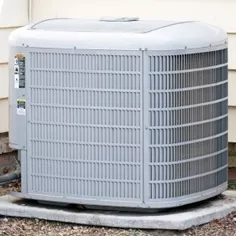
Ice Builds Up on the Outdoor Unit
Some frost is normal. A thick layer of ice is not.
A unit that looks like it belongs in a snow globe needs attention fast.
Your Home Has Uneven Temperatures
Cold spots, drafty rooms, or large temperature swings can indicate the heat pump is struggling to distribute heat efficiently.
Strange Noises or Short Cycling
Grinding, squealing, or rapid starting and stopping can signal mechanical stress, which winter conditions often worsen. In many cases, these are the same kinds of issues homeowners notice before needing heat pump repair.
Here’s a quick list of “don’t ignore these” symptoms:
Rising electric bill
Heat pump running nonstop
Frequent defrost cycles
Ice accumulation
Indoor temperature drifting downward
Emergency heat stuck on
Winter is when minor issues become major failures.
Why Do Heat Pumps Stop Working Properly When the Weather Gets Too Cold?
Heat pumps don’t create heat. They move it.
That’s the key concept.
Even in cold weather, there’s still heat energy in the outdoor air. A heat pump extracts that heat and transfers it inside.
But when temperatures drop into extreme territory, the system faces a physics problem:
There’s less heat available to pull from the air.
The colder it gets, the harder the heat pump has to work to extract usable warmth.
Eventually, efficiency drops.
This is why heat pumps can struggle in very low temperatures, especially older models or systems not designed for harsh winter climates. If you want a broader look at how heating systems behave under pressure, Beyond the Thermostat: What Heating Services Reveal About Household Habits offers helpful insight.
Common reasons heat pumps lose performance in deep cold include:
Reduced Heating Capacity
Heat pumps naturally provide less heat output as outdoor temperatures fall.
Increased Demand Inside the Home
At the same time, your house is losing heat faster through windows, walls, and attic spaces.
So the system is fighting a bigger battle with fewer resources.
Defrost Mode Interruptions
Heat pumps periodically go into defrost mode to melt frost off the outdoor coil.
During defrost mode, the unit temporarily stops heating the house, which can make indoor temperatures drop.
Mechanical Stress
Cold weather puts extra strain on compressors, fans, and refrigerant flow.
If the system is already aging or slightly under-maintained, extreme winter can push it over the edge.
In short, winter can expose the limits of a heat pump the same way a steep hill exposes the limits of an old car engine.
Can a Heat Pump Freeze Up in Winter and Cause Complete System Failure?
Yes, and this is where things can get serious.
A heat pump freezing up is more than an inconvenience. If left untreated, it can lead to complete system shutdown or expensive damage.
So what causes freezing?
Poor Airflow
Dirty filters, blocked vents, or failing fans can reduce airflow, causing coils to get too cold and freeze.
Refrigerant Issues
Low refrigerant levels can drop pressure in the system, leading to freezing coils and poor heating performance. In some cases, the issue may even relate to the type or condition of the refrigerant in use, which is why staying informed about modern refrigerant options matters.
Defrost System Malfunctions
The defrost cycle is supposed to prevent ice buildup.
If it fails, ice can accumulate until the outdoor unit becomes a frozen block.
Drainage Problems
Melted frost needs somewhere to go. If the drainage is blocked, water can refreeze and create thick ice layers.
Constant Operation Without Break
During extreme cold, a heat pump may run nonstop. That continuous strain increases freezing risk.
If the outdoor unit freezes completely, you may experience:
No heat inside
Loud noises from the unit
Emergency heat taking over
System shutdown for safety
A frozen heat pump isn’t something to wait out. It’s a “call now” situation. When that happens, fast help from an emergency HVAC team can make all the difference.
How Can Homeowners Prevent Heat Pump Breakdowns During The Coldest Months?
The good news is that most winter heat pump failures are preventable with the right habits and maintenance.
Here’s how homeowners can protect their systems before winter pushes them too far:
Schedule a Winter HVAC Tune-Up
Professional maintenance ensures the system is clean, refrigerant levels are correct, and defrost controls are working properly.
This is one of the simplest ways to prevent mid-winter breakdowns. Routine heat pump maintenance also helps catch smaller issues before they turn into expensive cold-weather repairs.
Change Air Filters Regularly
A clogged filter is a small issue that causes big winter problems.
Replace filters every 1 to 3 months, especially during heavy heating season.
Keep the Outdoor Unit Clear
Snow, leaves, and debris can block airflow.
Make sure the unit has at least 2 feet of clearance around it.
Don’t Crank the Thermostat Up and Down
Heat pumps work best at steady temperatures.
Constantly adjusting the thermostat forces the system to work harder and may rely more on emergency heat.
Watch for Ice Early
If you see heavy ice buildup, don’t ignore it.
Call a professional before the system freezes completely.
Improve Home Insulation
Sometimes the problem isn’t the heat pump, it’s the home losing too much heat.
Sealing drafts and adding attic insulation helps reduce strain. Homeowners dealing with rising utility costs may also find useful tips in High Energy Bills? How Heating System Maintenance Can Save You Money.
Here’s a quick winter prevention checklist:
Replace air filters
Clear outdoor debris
Keep thermostat steady
Get seasonal maintenance
Monitor for unusual noises or ice
Seal drafts and improve insulation
A little preparation goes a long way when temperatures drop hard.
Winter Finds the Breaking Point, Don’t Let It Find Yours
Heat pumps are one of the smartest HVAC options available, but homeowners need to understand their limits.
Extreme winter weather doesn’t always cause instant failure. It causes stress. And stress reveals weak points.
The breaking point most homeowners miss isn’t the moment the system stops.
It’s the weeks of struggle leading up to it.
If your heat pump is running nonstop, icing over, or relying heavily on auxiliary heat, that’s your warning sign.
Addressing it early can save you money, discomfort, and emergency repair costs. For a related read, When Winter Pushes Your Heat Pump Too Far: The Breaking Point Most Homeowners Miss explores this issue from another angle.
Stop Winter From Pushing Your Heat Pump Past Its Limit
Cold weather is tough enough. Your HVAC system shouldn’t add to the stress.
At Elite Air & Heat LLC – HVAC, Plumbing & Electrical, we help homeowners keep their heat pumps running efficiently, safely, and reliably through the harshest months. Whether you need a seasonal tune-up, emergency repair, or expert advice on system performance, our team is ready.
Reach out today through our contact page and let’s make sure your home stays warm, no matter how cold winter gets outside